Due Oct 27
Rocky Worlds and Smaller Objects
Physical properties of the inner planets. Asteroids (the discovery of Ceres), Kuiper Belt and Oort Cloud. Nineteenth century lunar photography.
Astronomy Reading
Openstax Astronomy (pdf | online), Chapters 7-10.
Fieldwork
Galileo’s Moons preliminary: details in the assignment posted at right.
Arts Assignment: Lunar Photography
Examine the two following groups of photographs. Writing prompt at bottom.
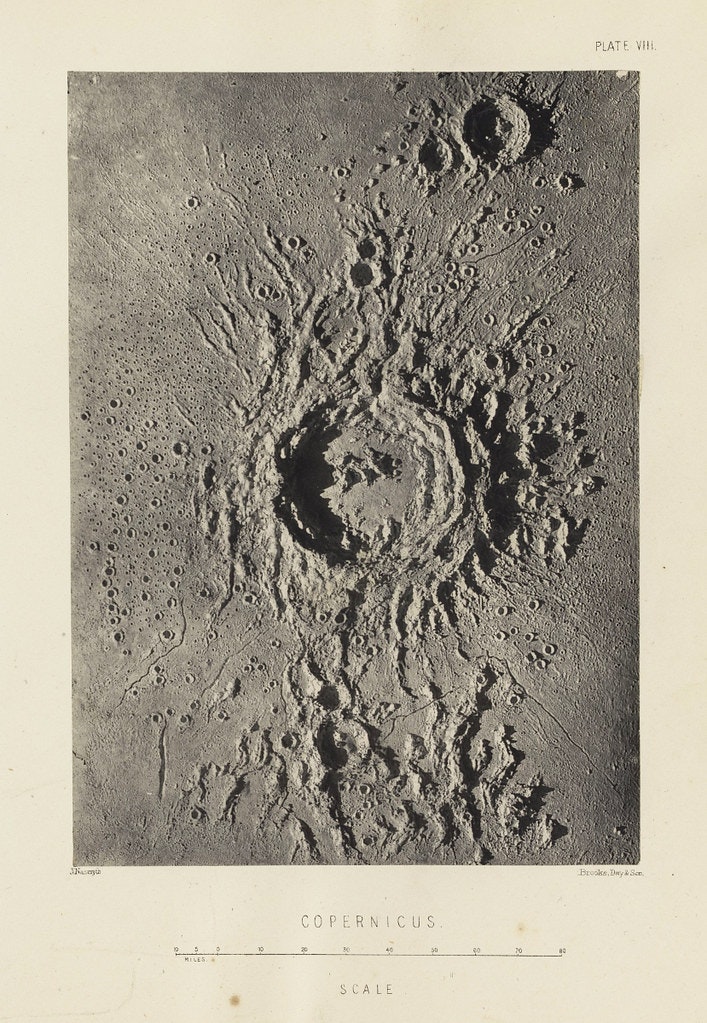
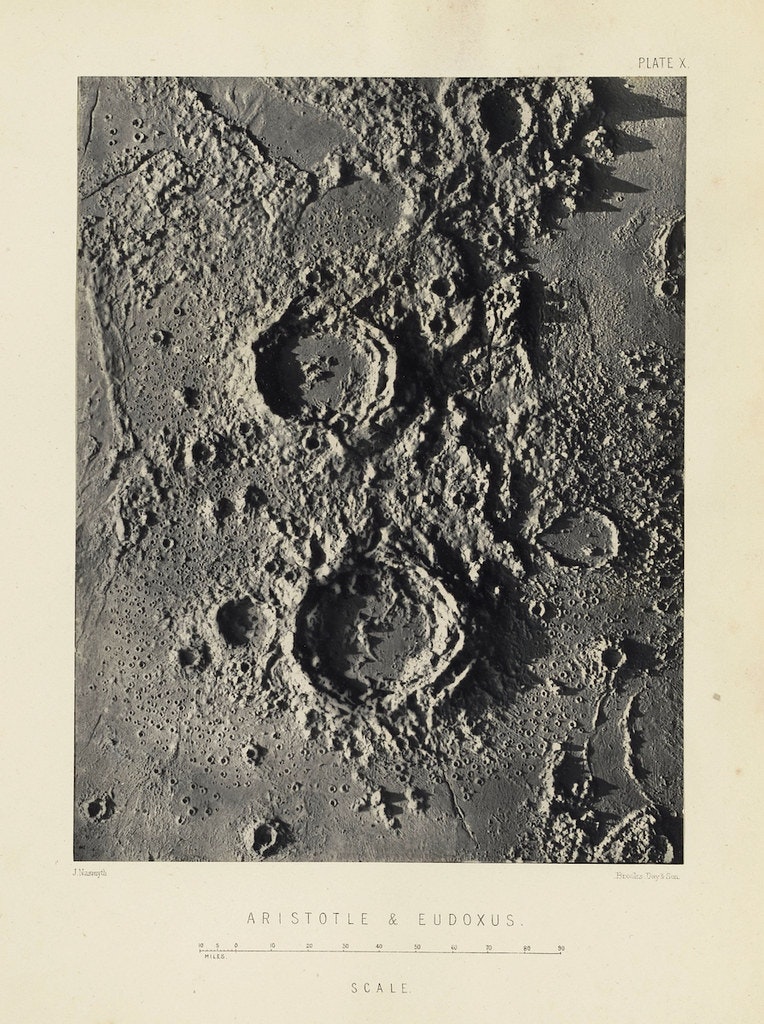
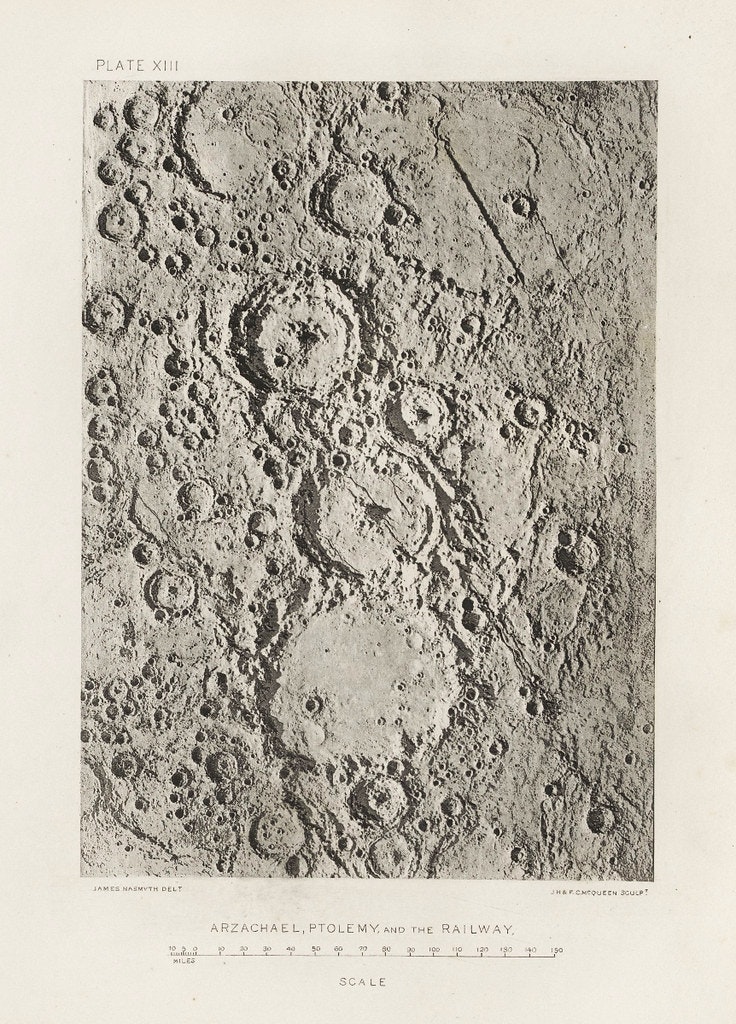
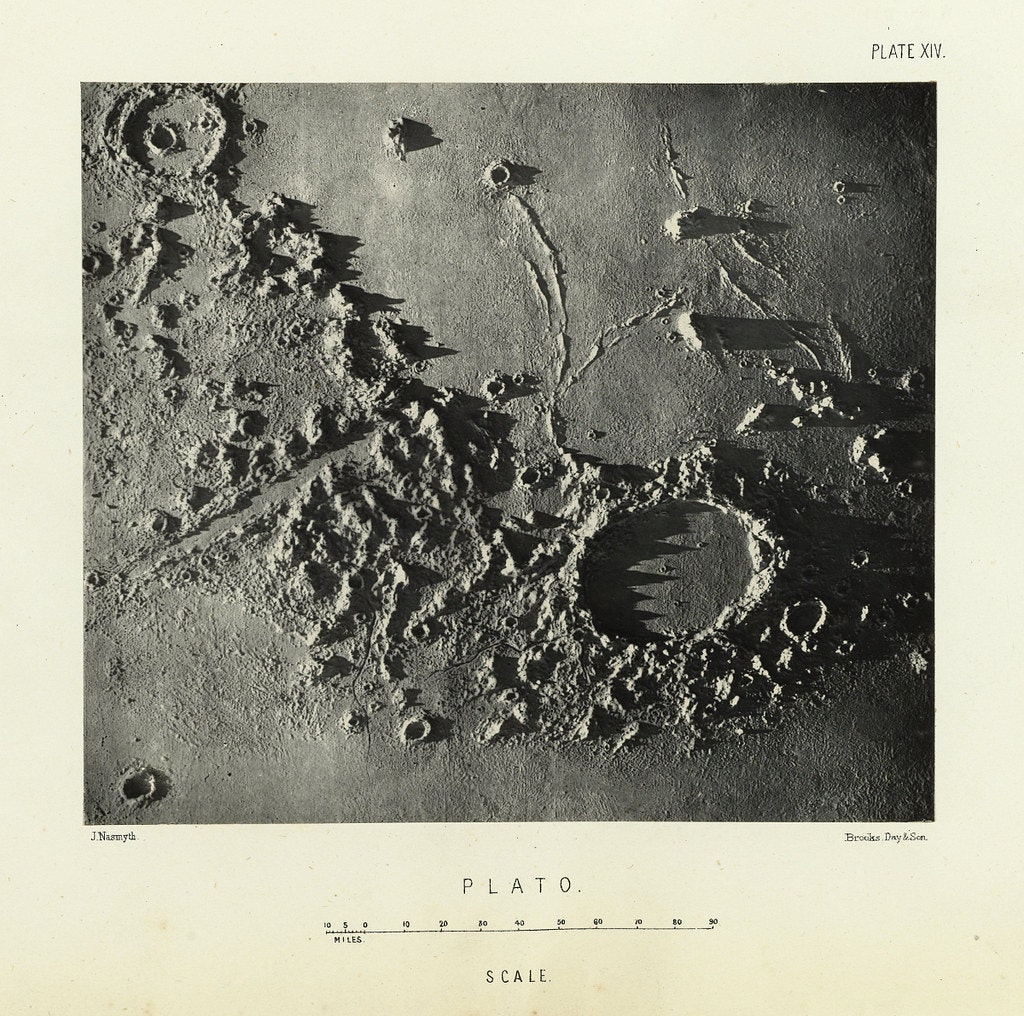
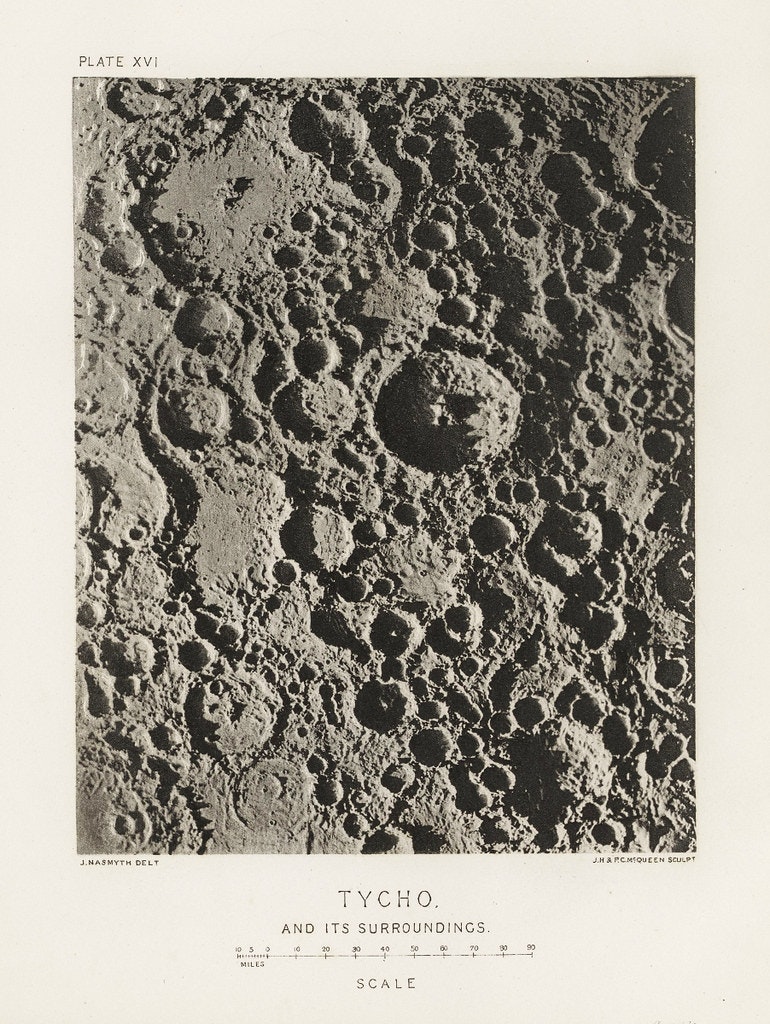
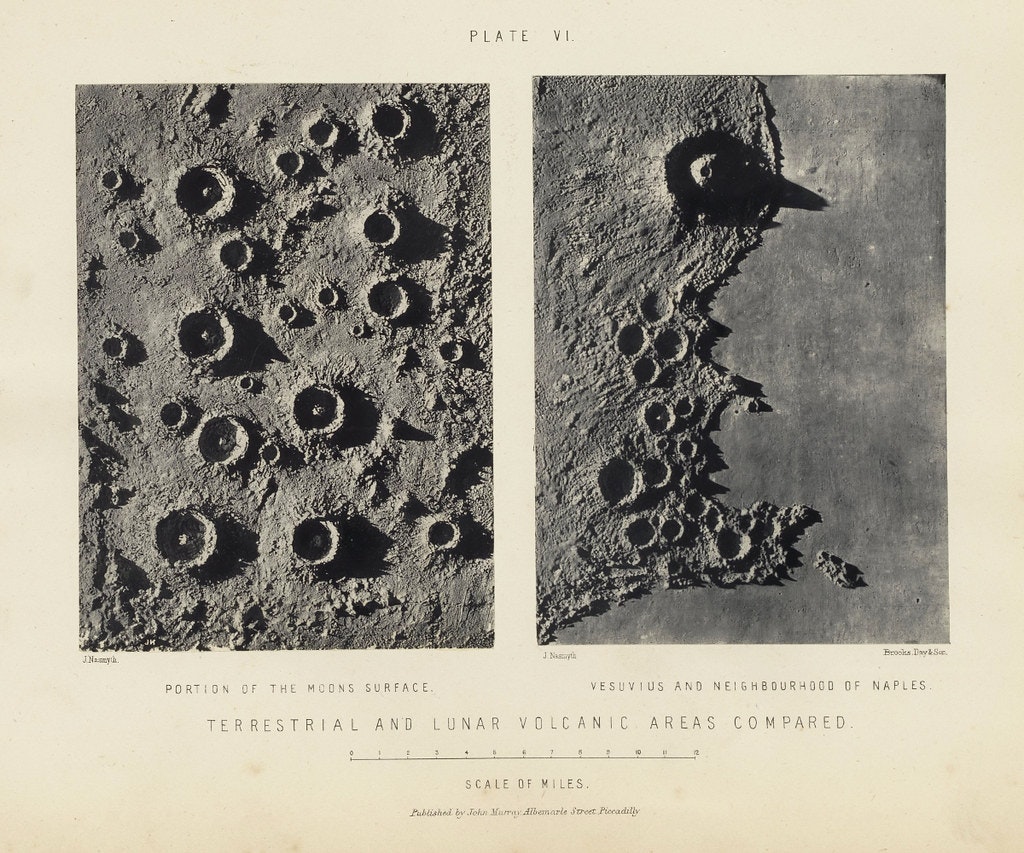
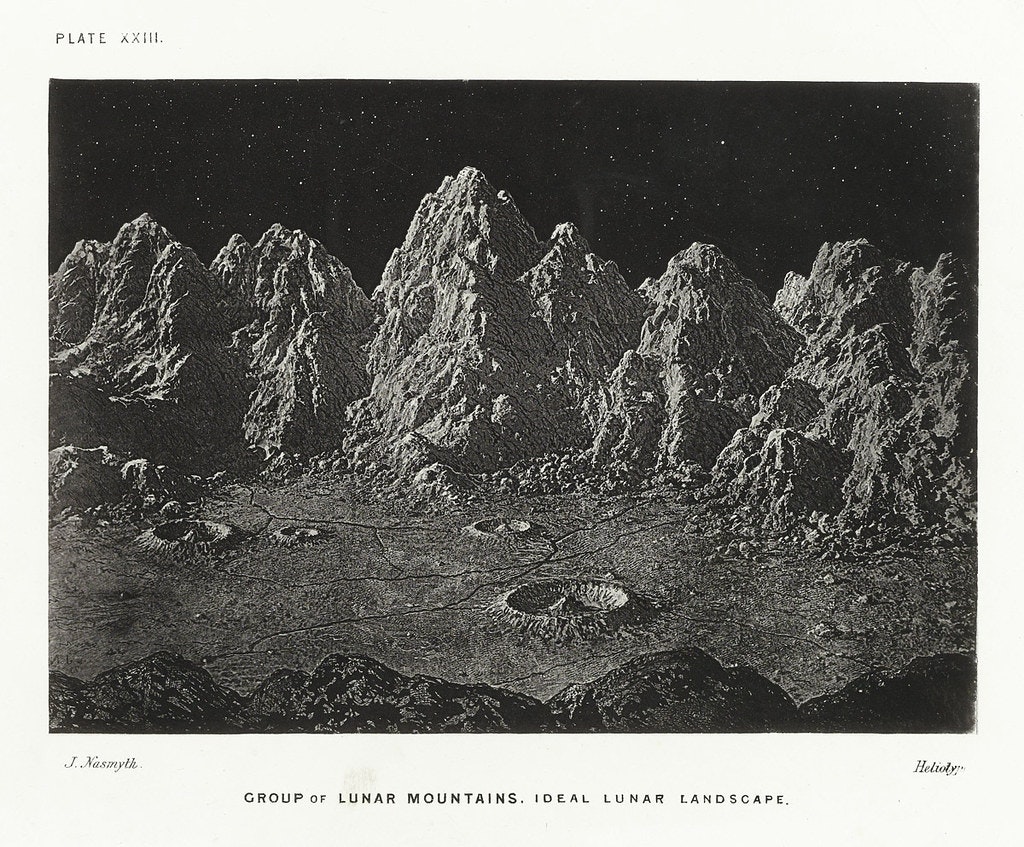
The first group dates to the 1860s and early 1870s, from a book published in 1874 by John Naysmith and James Carpenter, The Moon: Considered as a Planet, a World, and a Satellite.
-
- Copernicus Crater
-
- Aristotle & Eudoxus
-
- Arzachael Crater
-
- Plato Crater
-
- Tycho Crater
-
- Wargentin Crater
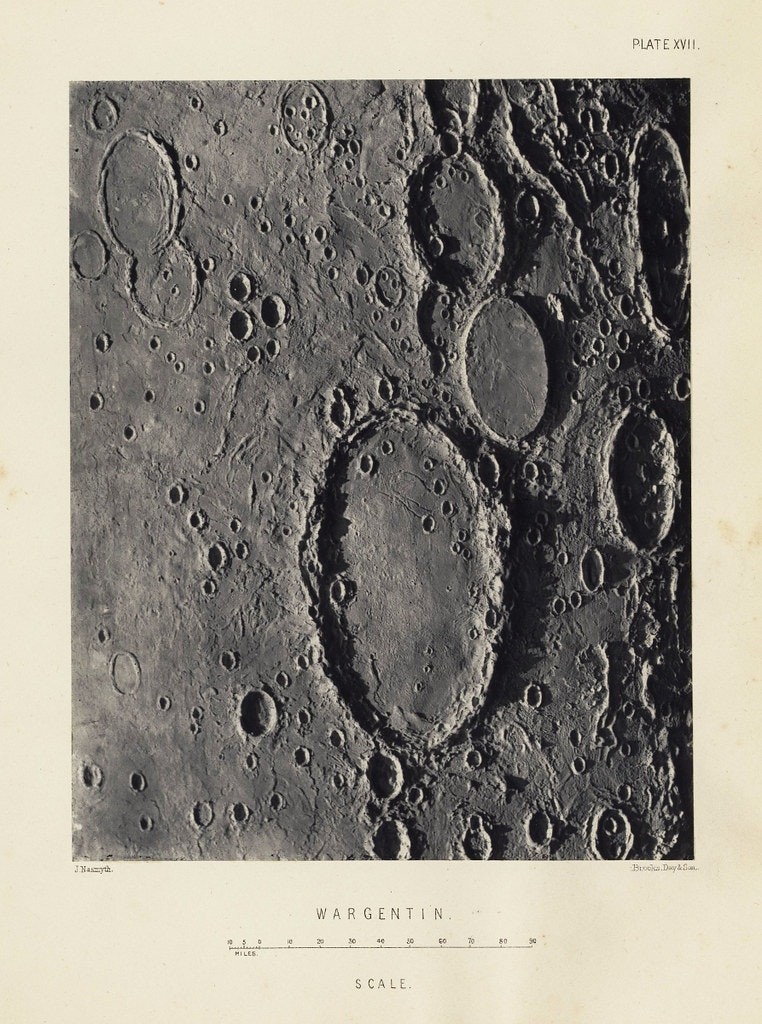
-
- Triesnecker Crater
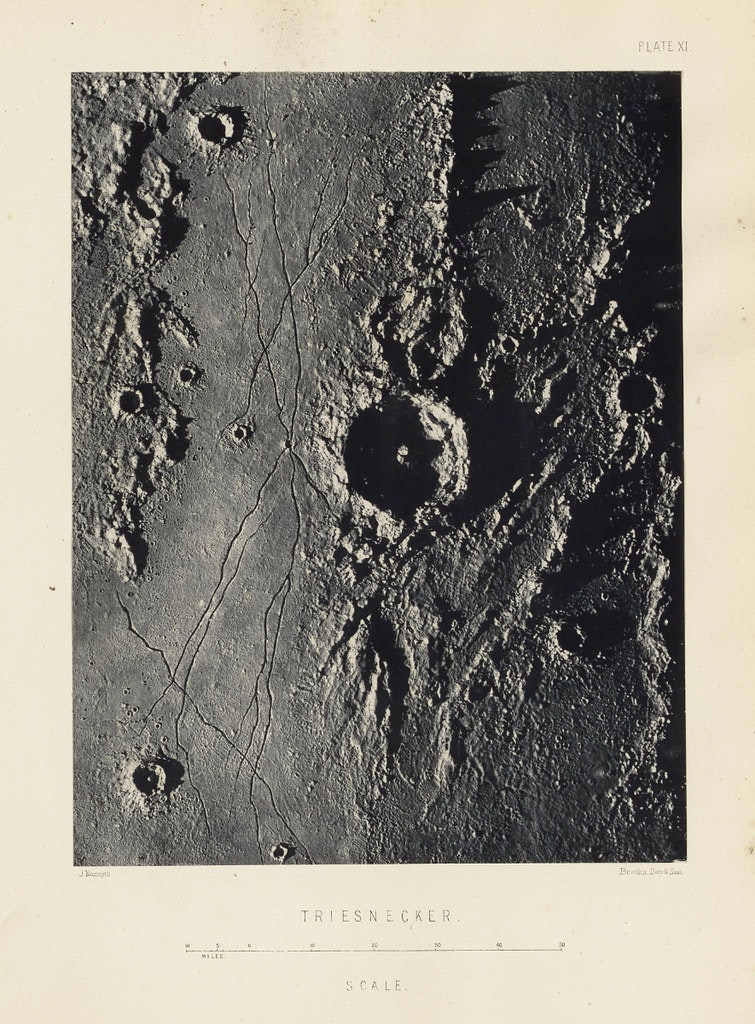
-
- Terrestrial & Lunar Volcanoes Compared
-
- Lunar Mountains
The second group dates to the 1890s and early 1900s, produced during the Paris Observatory’s 14-year photographic survey of the lunar surface. Of the photos below, one appears to be a souvenir; the rest are from a book published in 1908, Photographic Atlas of the Moon.
-
- Atlas of the Moon
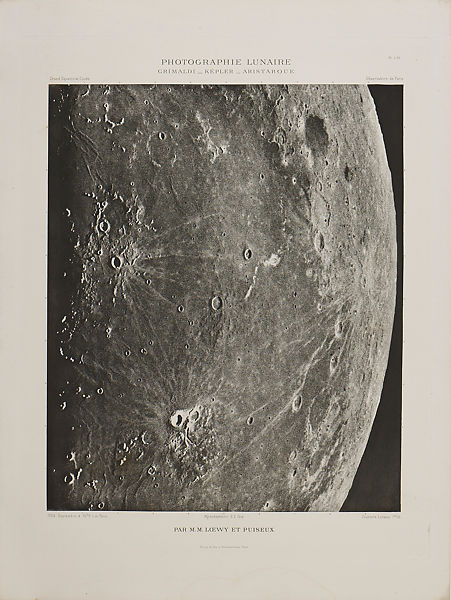
-
- Atlas of the Moon
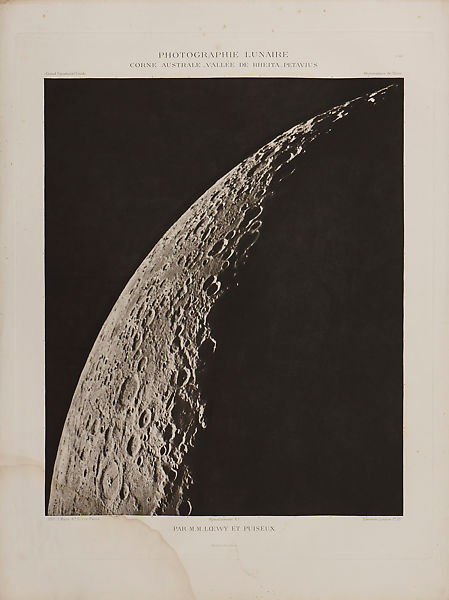
-
- Atlas of the Moon
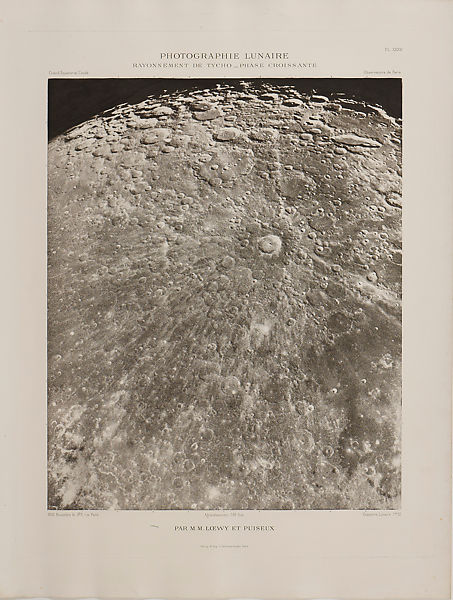
-
- Atlas of the Moon
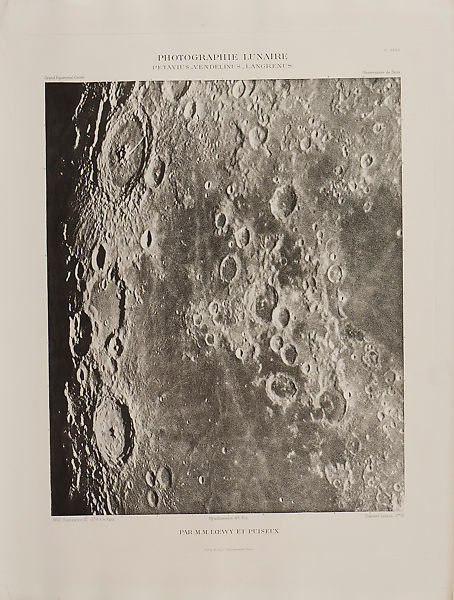
-
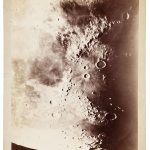
- Souvenir
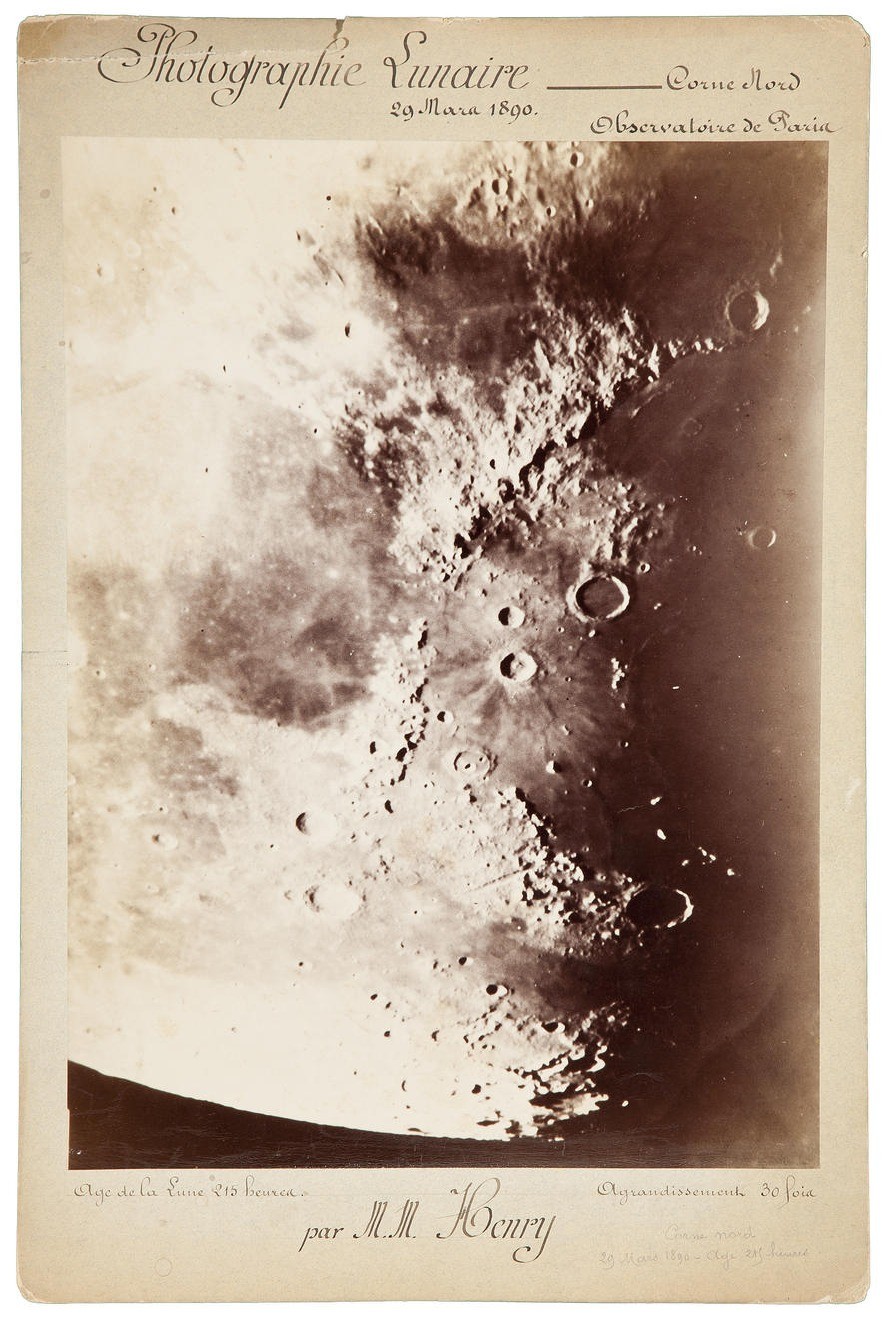
Writing prompt: in a short (1¶) response, reflect on what these image collections suggest about the role of photography in nineteenth-century astronomy. Some questions you might consider: Which set of images of the moon do you find more impressive? What do you find visually engaging? How do the Paris Observatory images differ from Nasmyth and Carpenter’s earlier work?
These images illustrate to me how important photography must’ve been in the early days of astronomy. Nowadays, I can look at a picture of the moon or essentially any other known spacial phenomena whenever I please. At the time when these pictures came out, I average person would not have access to in-depth images of the moon and stars. These photos undoubtably excited many and perhaps even inspire some to pursue a career in astronomy. I’m flabbergasted on how clear a detailed the first set of photos are. Although I believe the second set is better done in terms of positioning and quality. The idea of getting detailed pictures of craters on the moon as earlier as the mid 19th century is astounding to me. These being the first photos that people would see of the celestial bodies outside of their world, is truly something mind blow.
This also reminds me of something we talked about in class the other day. Galileo’s discoveries of mountains and craters on the moon, illustrated to scientists that earth isn’t really as special as everyone thought and these natural phenomena occur on other planets too. These original photos would demonstrate this to the unwashed masses in the 1800s.